


Laser Hair Removal and Islam: Is it Halal or Haram?
Laser Hair Removal and Islam: Is it Halal or Haram?
Is laser hair removal halal for Muslims?
Laser hair removal is generally considered halal when performed for hygiene purposes (Fitra) and carried out in a manner that respects modesty (Awrah). The treatment removes hair without permanently altering the body’s structure in a prohibited way, and does not interfere with ritual ablution (Wudhu or Ghusl). Most Islamic scholars permit it provided same-gender therapists are used for intimate areas and privacy is maintained throughout the session.
Introduction
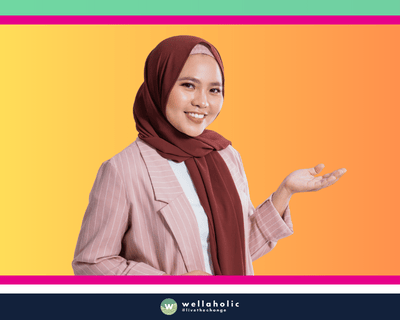
A Muslim woman in Singapore, weighing whether laser hair removal is compatible with her faith before booking her first appointment — this is a question Wellaholic’s expert team encounters regularly, and it deserves a considered, accurate answer rather than a marketing response.
Islamic guidelines on grooming are detailed and practical. The prophetic tradition of Fitra establishes clear recommendations for personal hygiene, including the removal of underarm and pubic hair. What is less clear to many Muslims is whether a modern clinical method like laser hair removal satisfies those guidelines — or whether it introduces concerns around modesty, ritual purity, or permanent body alteration.
In this article, Wellaholic’s expert team walks through the Islamic scholarly position on laser hair removal, which body areas are covered under different rulings, how modesty and Awrah are maintained during treatment, and what Muslim customers in Singapore should practically consider before booking.
Wellaholic’s expert team ensures Sharia-compliant protocols using female therapists in locked private rooms, facilitating hair reduction that aligns with prophetic traditions.

1. The Islamic Foundation: Fitra and the Sunnah of Grooming
Islamic personal hygiene is rooted in the concept of Fitra — the natural disposition toward cleanliness that forms part of Islamic practice. The Prophet Muhammad (peace be upon him) identified five acts of Fitra, which include the removal of pubic hair and underarm hair. Classical Islamic texts recommend these areas be attended to at least every forty days, with more frequent attention considered preferable.
This prophetic tradition establishes hair removal not merely as a cosmetic preference but as a religious obligation in certain areas. The method of removal — whether by shaving, threading, waxing, or laser — is not itself prohibited in the primary texts. What matters to scholars is the intention behind the removal, the body area involved, and whether the process is conducted in a manner consistent with Islamic modesty requirements.
Laser hair removal, as a method, targets the hair follicle beneath the skin surface using focused light energy. It reduces hair growth progressively over multiple sessions and does not surgically alter the body’s structure. Most contemporary Islamic scholars who have addressed the question treat it as permissible under the same conditions that apply to other hair removal methods.

2. The Scholarly Position: What Islamic Authorities Say
Contemporary Islamic scholars and fatwa bodies in Southeast Asia, including those in Singapore, have generally ruled laser hair removal permissible (halal) when the following conditions are met.
The treatment is performed for hygiene or legitimate aesthetic purposes, not for the purpose of imitating a prohibited practice or altering what Allah has created in a disallowed manner. Removing hair from areas recommended by the Sunnah — such as underarms and pubic areas — is clearly within the scope of Fitra. Removing hair from other areas of the body, such as the legs or arms, falls under the broader category of personal grooming that is widely considered permissible for women and subject to more nuanced discussion for men.
The treatment respects Awrah boundaries. For women, the Awrah in the presence of non-mahram men covers the entire body except the face and hands. In a clinical setting, this means female customers must be treated by female therapists for any area that falls within the Awrah. For intimate areas specifically, this is a firm requirement rather than a preference.
Privacy is maintained throughout the session. Exposure should be limited to only the area being treated, and the treatment environment should prevent any possibility of unauthorized entry or observation.

3. Awrah Guidelines by Body Area
Understanding which areas are permissible for laser hair removal, and under what conditions, helps Muslim customers make informed decisions.
Underarms and pubic areas fall within the Sunnah of Fitra and are among the most clearly supported areas for hair removal in Islamic guidance. Female customers should ensure these are treated by female therapists in a fully private setting. The same applies to the Brazilian and Boyzilian zones, which cover the pubic and bikini area.
Legs, arms, and back are areas where hair removal is widely considered permissible for women under general personal grooming guidance. The same Awrah and same-gender therapist considerations apply for any area that would not ordinarily be exposed to a non-mahram.
Facial hair removal for women is a more nuanced area in Islamic jurisprudence. The shaping of eyebrows in particular carries specific scholarly discussion, and customers with questions about facial areas should seek guidance from a qualified Islamic scholar or their local mosque before proceeding.
For men, the Awrah between the navel and knee is subject to the same same-gender therapist requirement for intimate areas. Hair removal from the chest, back, or arms is generally permissible and falls within accepted grooming practice.
4. Ritual Purity: Does Laser Hair Removal Affect Wudhu or Ghusl?
A practical concern for many Muslim customers is whether laser hair removal interferes with ritual ablution. The short answer is that it does not.
Wudhu (minor ablution) requires water to reach the skin surface. Laser hair removal targets the follicle beneath the skin and leaves no surface residue, coating, or barrier after the session. The skin surface remains unobstructed, and Wudhu performed after a session is valid in the same way it would be after any other grooming procedure.
Ghusl (major ritual bath) similarly requires water to reach all parts of the body surface. Since laser hair removal does not apply any permanent topical substance, it does not create any barrier to Ghusl. Customers who undergo treatment during Ramadan or around prayer times can proceed with their normal ablution practice without concern.
It is worth noting that temporary redness or sensitivity immediately after a session is a normal skin response and does not affect ritual purity. Customers who prefer to schedule sessions at a time that does not coincide with prayer obligations may find that planning around Zuhr or Asr timing allows for comfortable recovery before the next prayer.
5. Modesty Protocols at Wellaholic
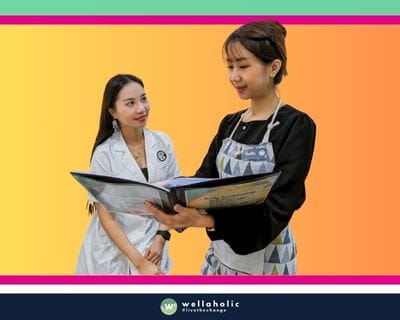
Wellaholic’s expert team is trained to conduct sessions with strict attention to modesty throughout. For female customers, female therapists are assigned to all intimate area treatments. Treatment rooms across all four outlets feature solid-core doors with electronic keypad locks, ensuring no unauthorized entry is possible during a session.
During treatment, only the specific area being worked on is exposed. All other areas remain covered throughout the session. Customers are welcome to communicate any additional modesty preferences before the session begins, and the team will accommodate these where clinically possible.
The four outlets — Somerset, Tanjong Pagar, Kovan, and Upper Changi — are all MRT-accessible, making it straightforward for customers to plan visits around prayer times and daily schedules.
6. Pricing for Muslim Customers in Singapore
All Wellaholic pricing is GST-inclusive with no hidden surcharges. The per-session and unlimited plan rates below apply equally to all customers regardless of the areas being treated — Brazilian and Boyzilian zones are included as standard in unlimited plans, not charged as add-ons.
For unlimited monthly plans, SHR Prestige is priced at $271 per month on a 12-month plan and $305 on a 6-month plan. WellaSmooth 3X, which includes full-body skin brightening and professional shaving preparation, is priced at $399 per month on a 12-month plan and $449 on a 6-month plan.
The Afternoon Advantage promotion offers 20% off 6-month and 12-month unlimited plans for bookings Monday to Friday between 11am and 5pm, excluding public holidays. This reduces the SHR Prestige 12-month rate to $217 and the WellaSmooth 3X 12-month rate to $319.
| Plan | 6 Months | ☀️ AA (6-Mth) | 12 Months | ☀️ AA (12-Mth) |
|---|---|---|---|---|
| SHR Prestige | $305 | $244 | $271 | $217 |
| SHR Deluxe | $251 | $201 | $223 | $178 |
| WellaSmooth 3X | $449 | $359 | $399 | $319 |
All prices include 9% GST. Afternoon Advantage applies Mon–Fri 11am–5pm, excluding public holidays.

Conclusion: Achieving Halal-Compliant Hygiene
Laser hair removal is broadly compatible with Islamic practice when performed with the right intentions, by an appropriate therapist, and in a private clinical setting. The Sunnah tradition of Fitra actively encourages the removal of underarm and pubic hair, and modern laser technology offers a consistent, lower-maintenance method of fulfilling that obligation over the long term.
Muslim customers in Singapore with specific questions about particular body areas or personal circumstances are encouraged to consult a qualified Islamic scholar for guidance tailored to their situation. Wellaholic’s expert team is available across four outlets — Somerset, Tanjong Pagar, Kovan, and Upper Changi — to answer practical questions about the treatment process, modesty protocols, and scheduling.
Key Takeaways
- Laser hair removal is generally considered halal when performed for hygiene purposes, with same-gender therapists for intimate areas, and in a private setting that maintains Awrah boundaries.
- The treatment does not interfere with Wudhu or Ghusl — it leaves no surface residue or barrier after the session.
- Underarm and pubic hair removal is specifically recommended in the prophetic tradition of Fitra, with a guidance cycle of at least every forty days.
- Wellaholic assigns female therapists to all intimate area treatments for female customers, in rooms with electronic keypad-locked doors across all four outlets.
- The Afternoon Advantage provides 20% off 6-month and 12-month unlimited plans for weekday bookings between 11am and 5pm, excluding public holidays.
Frequently Asked Questions (FAQ)
Q1: Is laser hair removal considered haram because it permanently changes the body?
This concern is understandable but based on a misreading of what the treatment does. Islamic jurisprudence prohibits permanent alteration of the body in ways that change Allah’s creation without valid reason. Laser hair removal reduces hair growth by targeting the follicle — it does not surgically remove, reconstruct, or permanently alter a body structure in the prohibited sense. Scholars who have addressed this question generally treat it as comparable to shaving or waxing in terms of permissibility, provided the same conditions of intention, modesty, and appropriate therapist are met.
🔵 Laser hair removal targets the follicle, not the body’s permanent structure.
🔵 The treatment is comparable to shaving and waxing in Islamic jurisprudence terms.
🔵 Intention matters — removal for hygiene and Fitra is clearly supported.
🔵 Scholars generally permit it when modesty and same-gender therapist conditions are met.
🔵 It does not alter facial features, remove limbs, or change the body in a prohibited way.
🔵 Customers with specific concerns should consult a qualified Islamic scholar for personal guidance.
.
Q2: Does laser hair removal affect the validity of Wudhu or Ghusl?
No. Wudhu and Ghusl both require water to reach the skin surface. Laser hair removal targets the hair follicle beneath the skin and leaves no topical residue, coating, or barrier after the session is complete. The skin surface remains fully accessible to water immediately after treatment. Temporary post-session redness is a normal skin response and does not constitute a barrier to ablution.
🔵 Laser hair removal leaves no surface residue after the session.
🔵 Water reaches the skin normally — Wudhu and Ghusl validity is unaffected.
🔵 The treatment targets beneath the skin surface, not on top of it.
🔵 Post-session redness is a skin response, not a barrier to ablution.
🔵 Customers can perform Wudhu immediately after a session if needed.
🔵 Scheduling sessions around prayer times is straightforward at all four Wellaholic outlets.
Q3: Can I undergo laser hair removal during Ramadan?
Yes. There is no Islamic prohibition on receiving aesthetic treatments during Ramadan. The treatment does not involve ingesting anything, does not break the fast, and does not interfere with ritual purity. Many Muslim customers in Singapore find that scheduling sessions during Ramadan is practical, particularly during the midday window when the Afternoon Advantage promotion applies and outlets are less busy.
🔵 Laser hair removal does not break the fast — nothing is ingested.
🔵 The treatment does not interfere with ritual purity during Ramadan.
🔵 Sessions can be scheduled around Iftar, Tarawih, or prayer times.
🔵 The Afternoon Advantage window (11am–5pm weekdays) aligns well with daytime Ramadan schedules.
🔵 Post-session care requires only water and a gentle moisturiser — both compatible with fasting.
🔵 Customers with specific Ramadan scheduling concerns can contact any Wellaholic outlet to plan.
Q4: How does Wellaholic ensure female therapists for female customers?
Female therapists are assigned to all intimate area treatments for female customers as a standing operational requirement, not a special request. Customers can confirm this at the point of booking. Treatment rooms across all four outlets have solid-core doors with electronic keypad locks, preventing unauthorized entry during a session. Only the specific area being treated is exposed at any point — all other areas remain covered throughout.
🔵 Female therapists are assigned as standard for all female intimate area treatments.
🔵 No special request is needed — this is the default operational protocol.
🔵 Electronic keypad-locked doors prevent unauthorized entry during sessions.
🔵 Only the area being treated is exposed — all other areas remain covered.
🔵 Customers can confirm therapist assignment at the point of booking.
🔵 All four outlets — Somerset, Tanjong Pagar, Kovan, and Upper Changi — follow the same protocol.
Q5: Which body areas are clearly permissible for laser hair removal under Islamic guidance?
Underarm and pubic hair removal is directly recommended in the Sunnah of Fitra and is among the most clearly supported areas. Leg, arm, and back hair removal for women falls under general permissible grooming practice. For men, chest, back, and arm hair removal is widely accepted. Intimate areas for both men and women require same-gender therapists. Facial hair removal, particularly eyebrow shaping, carries more nuanced scholarly discussion — customers with questions about facial areas should seek guidance from a qualified Islamic scholar.
🔵 Underarm and pubic hair removal is recommended in the prophetic Fitra tradition.
🔵 Leg, arm, and back hair removal is widely considered permissible for women.
🔵 Intimate areas for both genders require same-gender therapists in a private setting.
🔵 Chest, back, and arm hair removal for men is generally accepted under grooming guidance.
🔵 Facial hair, particularly eyebrow shaping, has specific scholarly discussion — seek qualified guidance.
🔵 When uncertain about a specific area, consult a qualified Islamic scholar before proceeding.
Q6: How do the private treatment rooms differ from traditional salons?
Traditional salons in Singapore often use curtain partitions between treatment areas, which provide limited privacy and no protection against unexpected entry. Wellaholic’s treatment rooms across all four outlets have solid-core walls and electronic keypad-locked doors. Entry during a session requires the therapist’s keypad code, which prevents any unauthorized access. This level of privacy is particularly important for Muslim customers undergoing intimate area treatments, where Awrah boundaries must be fully maintained.
🔵 Solid-core rooms with electronic keypad locks replace curtain partitions found in many salons.
🔵 Unauthorized entry during a session is not possible without the therapist’s keypad code.
🔵 Privacy is fully maintained for intimate area treatments in compliance with Awrah requirements.
🔵 All four Wellaholic outlets — Somerset, Tanjong Pagar, Kovan, Upper Changi — have the same room standard.
🔵 Customers can request a room walk-through before their first session if preferred.
🔵 Only the treating therapist enters the room during the session.

Willie Chan, Founder (LinkedIn)
Willie Chan founded Wellaholic in 2018 after identifying a gap in Singapore’s aesthetic market: Muslim women seeking halal-compliant hair removal with guaranteed female therapists and private treatment spaces. His CIDESCO Diploma in Aesthetics and Level 3 Beauty Therapy certification equipped him to build 4 MRT-accessible clinics (Tanjong Pagar, Somerset, Kovan, Upper Changi) where 42% of 200,000+ treatments serve Muslim clients following Sunnah grooming practices. Willie personally developed Wellaholic’s Islamic Modesty Protocol—a 12-hour staff training covering Awrah boundaries, same-gender practitioner requirements, and prayer schedule accommodation—resulting in zero modesty complaints across 8 years of operation.
Contact Willie at willie@wellaholic.com

Serene Chiam, Aesthetic Director (LinkedIn)
Serene Chiam leads Wellaholic’s clinical protocols for halal-compliant hair removal, bringing 12+ years of expertise in serving Singapore’s diverse Muslim community (Malay, Indonesian, Middle Eastern). Her Bachelor of Health Science (Aesthetics) from Torrens University and CIDESCO certification focus on Fitzpatrick Type IV-V skin safety—critical for preventing hyperpigmentation in Asian and Middle Eastern clients undergoing SHR™ treatments. Serene has personally trained 18 female therapists in Islamic modesty standards, including proper draping techniques (exposing only 10cm x 10cm zones), mahram communication etiquette, and Wudhu-compliant treatment protocols. She consults with MUIS (Islamic Religious Council of Singapore) to ensure Wellaholic’s procedures align with contemporary fatwas on cosmetic treatments.
Contact Serene at serene@wellaholic.com
GET IN TOUCH
Book Now Pay Later

SHR Permanent Hair Removal with Unlimited Shots
- ⭐ Diode Laser Technology. Developed by Alma Lasers, SHR combines 755nm, 808nm and 1064nm laser wavelengths to target all skin types.
- ⭐ Unbeatable in Value and Quality. Wellaholic’s SHR Unlimited Plans offer a hair removal solution that is unbeatable in both value and quality.
- ⭐ One Price for All Body Parts. Pay just one low price for a complete hair removal experience for all body parts, including unlimited SHR shots.
- ⭐ Permanent Fuss-Free Solution. Say goodbye to the hassle of expensive and ineffective hair removal methods and trust WellaSmooth 3X to deliver a permanent and fuss-free solution for all your hair removal needs.
- ⭐ Award-Winning. Wellaholic’s treatments have been recognized by top beauty publications such as Daily Vanity, Beauty Insider, and Tropika Club Magazine.
- ⭐ Over 2000 Verified Customer Reviews. Wellaholic has over 30 industry awards and over 2000 positive reviews from customers, and >50% are repeat customers.