


Postpartum Hair Loss Singapore: When It Stops & What Helps
Postpartum Hair Loss: Causes, Symptoms, and Effective Treatments in Singapore
When does postpartum hair loss stop?
Postpartum hair loss, scientifically known as telogen effluvium, occurs when a sudden drop in estrogen after childbirth shifts active hair follicles into a synchronized resting and shedding phase. Clinical evidence supports that this shedding is temporary, and Wellaholic’s expert team commonly observes natural recovery as hormone levels stabilize. However, this natural resolution works best for standard hormonal shedding and cannot address underlying genetic hair loss or nutrient deficiencies. Many Singapore mothers find that managing this shedding fits seamlessly into their post-confinement recovery and busy professional lifestyles.

Introduction
Standing by the bathroom sink after a morning shower, a new mother may glance down to find numerous strands of wet hair wrapped around her fingers. This physical observation can feel unsettling, especially when compounded by exhaustion and a shifting daily routine. Understanding that this shedding is a normal biological response rather than a sign of permanent damage provides important reassurance.
In this guide, Wellaholic’s expert team walks through why postpartum hair loss happens, what the typical recovery timeline looks like, and what options are available for those whose shedding extends beyond the usual window.
The Biological Process of Telogen Effluvium After Delivery
During the months of pregnancy, elevated oestrogen levels actively prolong the natural hair growth phase, which is technically known as the anagen stage. Many expectant mothers notice their hair feeling significantly thicker, glossier, and fuller during this period because daily shedding slows down. This temporary retention creates a beautiful canopy of hair that remains intact until the arrival of the newborn alters the body’s internal chemistry.
Once delivery occurs, oestrogen levels drop sharply back to their normal baseline configurations within a very brief span of time. This dramatic hormonal shift acts as a systemic signal, pushing a large percentage of active hair follicles out of the growth phase and directly into the telogen resting phase simultaneously. The follicles themselves remain entirely healthy, but they enter a synchronised resting state where they prepare to release their existing hair shafts over the coming months.
Approximately two to four months following child birth, these resting follicles complete their hidden cycles and begin to shed the retained hair strands. New mothers notice this hair loss not because ongoing surface damage is occurring, but because the body is clearing the path for fresh growth.
This process is a normal physiological response shared by most postpartum mothers, and the shedding hair is progressively replaced as the follicles return to their active anagen phase.
Expected Milestones for Postpartum Shedding and Regrowth
The onset of noticeable hair shedding most commonly displays itself between two and four months after delivery, though individual experiences vary based on unique biological factors. Some mothers observe the first signs on their pillows or hairbrushes slightly earlier, while others see a more gradual shift. This initial phase marks the beginning of a natural recalibration period as the scalp responds to the post‑pregnancy hormonal environment.
Peak shedding typically concentrates around three to four months postpartum, making this specific timeframe the most visually evident period for many individuals. Finding larger clusters of hair during styling sessions or washing routines can feel distressing, but it represents the peak accumulation of the synchronised telogen cycle. For most women, this intense shedding phase reduces gradually, allowing hair density to return toward its pre‑pregnancy baseline by six to twelve months postpartum.
Every mother’s specific recovery timeline is shaped by a variety of distinct lifestyle elements and physical circumstances. Factors such as a C‑section delivery, the overall duration of breastfeeding, daily nutritional status, and stress levels can all influence how long the regulation process takes.
A mother who continues to observe significant shedding at nine months is not necessarily experiencing an abnormal variation, though tracking progress helps maintain a clear perspective.

Environmental and Daily Pressures Faced by New Mothers in Singapore
Returning to demanding professional roles creates a unique set of challenges for mothers navigating the statutory sixteen‑week maternity leave framework in Singapore. This professional transition often occurs precisely when postpartum shedding reaches its peak intensity, adding workplace presentation stress to an already demanding home routine. Balancing client‑facing responsibilities with ongoing infant care can inadvertently prolong the telogen resting phase due to elevated daily pressures.
Breastfeeding increases systemic nutritional demands significantly, requiring an abundant supply of essential elements to support both milk production and cellular tissue repair. Subtle depletions in iron, protein, and biotin are common during extended nursing periods, which can leave hair follicles with fewer building blocks for rapid recovery. When internal nutrients are prioritised for infant nourishment, the scalp’s regeneration speed can slow down, extending the time it takes for new hair to emerge.
Traditional cultural practices, such as the standard twenty‑eight to forty‑day confinement period, introduce specific dietary habits that can influence nutrient intake profiles. While these time‑honoured confinement customs provide vital support and comfort, ensuring an adequate intake of iron and lean protein supports follicle activity during this period.
Chronic sleep disruption from matching a newborn’s sleep schedule acts as a continuous physical stressor that naturally influences the duration of hair shedding.

Practical Steps for Supporting Follicle Health at Home
Prioritising a balanced nutritional intake provides the foundation for natural hair recovery by supplying essential vitamins directly to the active scalp layers. Incorporating iron‑rich leafy greens, protein‑packed legumes, and biotin‑supporting eggs into daily meals helps sustain the necessary building blocks for emerging hair strands. Mothers who are currently breastfeeding often find that continuing their prescribed postnatal supplements provides helpful support for overall wellness during this active rebuilding stage.
Practising gentle scalp care minimises unnecessary mechanical stress on fragile hair roots that are already prepared to shift phases. Avoiding tight hairstyles like high ponytails, compact buns, or intricate braids prevents continuous pulling on the perimeter of the hairline. Utilising a mild, sulphate‑free shampoo allows for clean washing without stripping the skin surface of its natural protective lipids during daily cleansing routines.
Minimising the use of high‑heat styling tools such as blow dryers, straighteners, and curling irons reduces surface thermal stress on delicate new regrowth hairs. Allowing hair to dry naturally whenever possible protects the emerging fine textures from heat‑induced structural weakness.
While these supportive home care habits reinforce the recovery environment, they work alongside your body’s natural hormonal stabilisation timeline rather than forcing a sudden transformation.

Recognising Signs That Indicate a Need for Scalp Assessment
Shedding that continues past the twelve‑month postpartum threshold serves as a practical signal to consider an expert baseline evaluation. When hair loss does not begin to stabilise after a full year, ruling out underlying contributing factors like thyroid variations or iron deficiency anaemia is a useful step. Postpartum hormonal shifts can occasionally unmask alternative conditions, making a timely review helpful for clarity.
Observing visible changes across specific zones of the scalp provides another clear guidepost that a professional assessment may be beneficial. A widening hair parting, a noticeable retreat along the frontal hairline, or a significant decrease in overall ponytail thickness that shows no improvement after several months warrants a closer look. These structural changes are best evaluated early to establish an accurate baseline of your current follicle activity.
When the ongoing emotional impact of hair shedding begins to disrupt your daily confidence, well‑being, or peace of mind, seeking professional guidance is an appropriate path forward. A detailed scalp review serves a dual purpose: it helps clarify the exact state of your hair progression and provides reliable details without any pressure.
Identifying whether your follicles require additional support helps replace anxiety with an actionable, structured understanding of your scalp health.
Understanding Professional Scalp Treatment Options
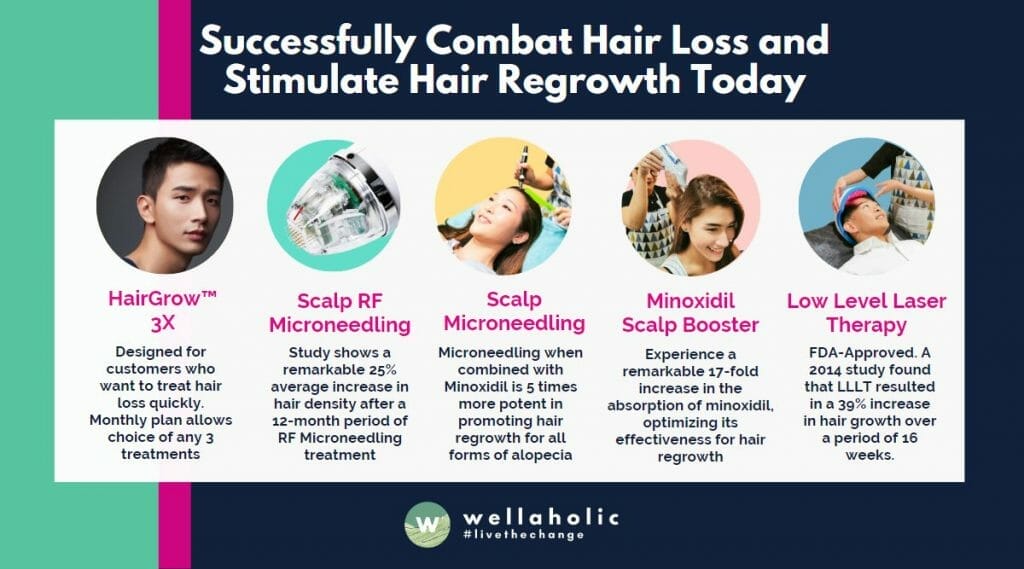
For mothers whose shedding extends beyond the typical recovery window, several non‑invasive professional options can support scalp health without interfering with breastfeeding or daily routines. These treatments are designed to work with the body’s natural recovery processes rather than forcing rapid change. Wellaholic’s expert team conducts a thorough consultation to ensure any recommended approach aligns with your specific postpartum timeline and comfort level.
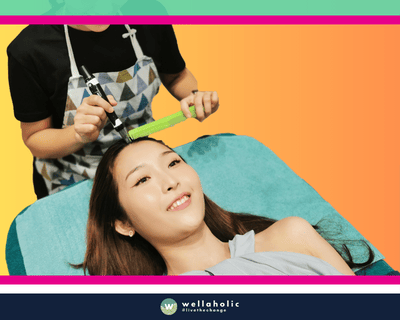
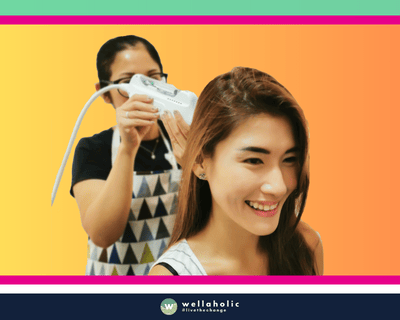
Scalp RF Microneedling combines ultra‑fine needles with radiofrequency energy to support tissue remodelling at the follicular level. The micro‑channels created during the treatment allow energy to penetrate the dermal layer, encouraging natural cellular activity without harsh chemicals. This approach is frequently used to address areas where density has not returned to pre‑pregnancy levels.
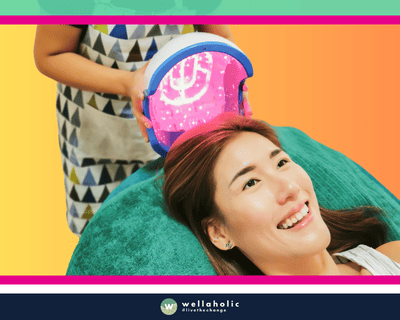
Low‑Level Laser Therapy (LLLT) applies gentle, non‑thermal light energy to the scalp surface to encourage cellular activity in hair roots. The light wavelengths are absorbed by the mitochondria within follicle cells, supporting their natural metabolic processes. This treatment is entirely non‑invasive and carries no downtime, making it suitable for busy mothers managing infant care.
The Minoxidil Scalp Booster is a topical option that can be applied directly to thinning areas under professional guidance. This formulation is designed to support the scalp environment and encourage follicles to remain in their active growth phase. Customers who are breastfeeding should consult their doctor before beginning any topical treatment including Minoxidil.
For mothers seeking a structured approach that combines multiple supportive modalities, the HairGrow 3X unlimited plan provides access to these treatments under a single transparent arrangement. This comprehensive monthly subscription allows individuals to address scalp concerns without tracking individual session balances.
Wellaholic’s expert team works with each customer to determine which combination of treatments best supports their recovery timeline.

How Wellaholic’s Hair Regrowth Plans Work
For mothers seeking to address postpartum shedding with structured support, both per‑session options and unlimited monthly plans are available. The pricing table below outlines the rates for individual scalp treatments as well as the comprehensive HairGrow 3X monthly subscription.
Master Pricing Table — Per‑Session Services
| Service | 1‑Session | 3‑Sessions | 6‑Sessions | 12‑Sessions |
| RF Scalp Microneedling | $269 | $256 | $242 | $215 |
| Scalp Micneedle / Minoxidil / LLLT | $179 | $170 | $161 | $143 |
Master Pricing Table — Unlimited Monthly Plans
| Plan | 1‑Month | 3‑Month | 6‑Month | ☀️ AA (6‑Month) | 12‑Month | ☀️ AA (12‑Month) |
| HairGrow 3X Unlimited | $469 | $446 | $422 | $338 | $375 | $300 |
☀️ Afternoon Advantage: 20% off 6‑month and 12‑month HairGrow 3X plans, Mon–Fri 11am–5pm, excluding public holidays.
All listed rates are fully inclusive of 9% GST. There are no hidden fees — pricing is clear and upfront.
Whether you are in the early stages of postpartum shedding or considering professional support for extended hair loss, Wellaholic’s expert team is available for a no‑obligation consultation. We can assess your scalp condition and recommend a starting plan that fits your timeline and recovery goals.
Customer Testimonial: Hair Regrowth Treatment

Kam, a Wellaholic customer, shares her experience with hair regrowth treatment at Wellaholic. Just one month into her treatment course, she already noticed a marked improvement in hair growth compared to her earlier sessions — a strong early indicator of the treatment’s effectiveness. What stood out beyond the results was the attentiveness of the team, who took the time to understand her specific concerns and tailor each session accordingly. Kam left feeling genuinely satisfied with both the outcome and the care she received, and has since committed to continuing her treatment journey with Wellaholic.
Read Actual Review by Customer
“Started my treatment last month and I already saw a huge improvement in my hair growth compared to my previous sessions. The team always checks with me on the areas I want to work on and improve. I am very satisfied with the service and will definitely be booking subsequent appointments.” (Source: Google Review)
Conclusion

Navigating the natural phases of postpartum hair shedding involves balancing patient home care with an accurate understanding of the body’s internal cycles. Most instances of telogen effluvium resolve naturally as hormone levels steady themselves, allowing hair density to rebuild progressively over the course of the first year. For mothers whose shedding extends past the typical window or those seeking to verify their progress, Wellaholic’s expert team is available to conduct comprehensive scalp assessments.
Accessing professional guidance remains straightforward with strategically located facilities designed to accommodate busy family schedules. Mothers can arrange an informative session at the Somerset flagship branch, the central Tanjong Pagar hub, the heartland Kovan location, or the Upper Changi station outlet. Our extended evening hours at select locations and MRT‑accessible facilities are designed to support working mothers managing both professional and family commitments. When you are ready to focus on your hair wellness, our supportive team is here to assist you.
Key Takeaways
- Normal Physiological Transition: Postpartum hair shedding is an expected biological reaction to declining post‑delivery oestrogen levels rather than an indicator of permanent follicle damage.
- Standard Resolution Windows: Noticeable hair loss typically commences two to four months after child birth and tapers off naturally for many mothers between six and twelve months.
- Singapore‑Specific Factors: Return‑to‑work pressure, nutritional demands from breastfeeding, and disrupted sleep can influence how long the recovery takes.
- Low‑Intervention Hair Care: Implementing a nutrient‑dense diet alongside gentle washing techniques and friction‑free styling shields vulnerable new growth from mechanical stress.
- Baseline Assessment Signals: Persistent shedding beyond one full year or localised thinning provides an appropriate opportunity to seek a professional scalp check.
Frequently Asked Questions (FAQ)
Q1: Is postpartum hair loss normal?
Postpartum hair loss is a normal physiological response experienced by a vast majority of mothers after giving birth. The condition is initiated by the sharp decline in oestrogen levels following delivery, which causes a large number of hair follicles to enter their resting phase simultaneously. The underlying structures remain healthy, and standard growth patterns typically resume once internal hormone distributions settle into their long‑term baselines.
🔵 Telogen Effluvium Base: Represents a temporary shifting of the follicle cycle rather than a permanent loss condition.
🔵 Role of Oestrogen: High pregnancy hormones prevent typical daily shedding, creating a thicker appearance before delivery.
🔵 Delayed Onset Pattern: Noticeable changes appear months after birth due to the length of the follicle resting phase.
🔵 Maintained Follicle Health: Roots retain their full regenerative capabilities throughout the entire shedding sequence.
🔵 Progressive Natural Recovery: Fresh hair shafts gradually replace the shed strands as the active cycle restarts.
🔵 Common Shared Experience: Significant hair strands found on brushes or in the shower are a standard part of recovery.
Q2: When will my hair stop falling out after delivery?
For many Singapore mothers, postpartum hair shedding decreases gradually between six and twelve months after delivery as internal systems normalise. The peak of this shedding activity is frequently observed around the third or fourth month, after which the volume of daily hair loss begins to moderate. Every individual follows a slightly different path depending on their specific physical recovery, nursing duration, and overall daily stress levels.
🔵 Six to Twelve Months: Most individuals observe a natural stabilisation of hair volume within this recovery window.
🔵 Peak Phase Identification: The third and fourth months postpartum usually show the most noticeable hair accumulation.
🔵 Gradual Tapering Signal: Daily shedding decreases incrementally rather than stopping abruptly over a single week.
🔵 Biological Clock Variance: Natural variations in internal chemistry mean every mother experiences a customised timeline.
🔵 Twelve‑Month Guidepost: Shedding that shows no signs of slowing after a year warrants a detailed scalp check.
🔵 Reassuring Long‑Term Outlook: Temporary density adjustments generally resolve as follicles re‑enter their active growth stages.
Q3: Does breastfeeding make postpartum hair loss worse?
Breastfeeding does not directly cause or intensify postpartum hair shedding, but it does place higher nutritional demands on the mother’s body. The production of milk requires a steady supply of vital nutrients, which can occasionally limit the availability of iron, protein, and biotin needed for rapid hair follicle recovery. Ensuring a well‑rounded diet during this demanding phase helps sustain both your infant’s nourishment and your hair’s natural rebuilding speed.
🔵 Nutritional Resource Allocation: The body naturally prioritises infant milk production over non‑essential hair follicle demands.
🔵 Role of Iron Stores: Adequate iron levels are essential for supporting the metabolic processes within hair roots.
🔵 Structural Protein Needs: Ample protein intake provides the primary amino acids necessary for developing strong hair shafts.
🔵 Biotin Support Systems: Maintaining healthy vitamin levels assists in the natural synthesis of new hair textures.
🔵 Postnatal Supplement Continuity: Continuing recommended vitamin routines offers helpful baseline support for nursing mothers.
🔵 Professional Guidance Access: Consultations with dietary professionals help clarify specific nutritional needs during extended breastfeeding.
Q4: What can I do at home to help with postpartum hair loss?
Home care during this transitional phase centres on minimising external stress on vulnerable hair roots rather than forcing an immediate change in your hormonal timeline. Adopting a diet rich in essential proteins and minerals combined with delicate handling preserves the integrity of emerging hair strands. Many Singapore mothers find that low‑intervention styling habits allow the scalp to complete its natural realignment with minimal disruption.
🔵 Nutrient‑Dense Meal Planning: Focusing on whole foods rich in minerals provides essential support for active follicles.
🔵 Avoidance of Tension: Refraining from tight updos prevents structural strain on already weakened hair roots.
🔵 Gentle Cleansing Selection: Utilising mild shampoos protects the delicate balance of the outer scalp layers.
🔵 Thermal Tool Restriction: Limiting hot styling devices prevents moisture loss in fragile new hair growth.
🔵 Friction Reduction Practices: Soft brushing methods prevent accidental pulling of strands during daily detangling routines.
🔵 Holistic Stress Management: Allocating small moments for rest helps maintain a favourable environment for physical recovery.
Q5: When should I consider professional scalp treatment for postpartum hair loss?
Professional scalp treatment is worth exploring if significant shedding persists beyond twelve months, or if you notice localised areas of thinning like a wider parting line. Seeking a detailed assessment is also practical if changes in hair density begin to affect your everyday confidence and peace of mind. A professional scalp assessment provides a clear look at your follicle activity, helping rule out other factors and establishing a reliable baseline.
🔵 Twelve‑Month Continuance: Serving as a practical reminder to verify your progress if shedding remains unchanged.
🔵 Localised Density Shifts: Visible changes at the crown or parting benefit from a professional visual check.
🔵 Personal Confidence Focus: Addressing hair worries early supports overall well‑being during busy parenting phases.
🔵 Clear Baseline Objective: Detailed visual reviews help track follicle status without any immediate commitment.
🔵 Non‑Invasive Care Options: Modalities like Scalp RF Microneedling and Low‑Level Laser Therapy offer gentle support for hair roots.
🔵 Multi‑Outlet Availability: Standardised evaluation sessions are accessible at all four established locations across Singapore.
Q6: Are there safe professional treatments for postpartum hair loss?
Yes, several non‑invasive professional options can support scalp health during the postpartum period. Treatments like Scalp RF Microneedling and Low‑Level Laser Therapy (LLLT) are designed to gently stimulate follicle activity without harsh chemicals or systemic absorption. Wellaholic’s expert team conducts a thorough consultation to ensure any recommended approach aligns with your specific postpartum timeline and comfort level.
🔵 Scalp RF Microneedling: Uses ultra‑fine needles and radiofrequency energy to support tissue remodelling.
🔵 Low‑Level Laser Therapy (LLLT): Applies gentle light energy to encourage cellular activity in hair roots.
🔵 Minoxidil Scalp Booster: A topical option that can be considered under professional guidance.
🔵 Breastfeeding Consideration: Non‑invasive light and energy‑based treatments do not enter the systemic circulation. Customers who are breastfeeding should consult their doctor before beginning any topical treatment including Minoxidil.
🔵 Customised Assessment: Wellaholic’s expert team evaluates your scalp condition before recommending any protocol.
🔵 No Pressure Approach: Consultations focus on understanding your goals without any obligation to proceed.

About Wellaholic’s Expert Team
Wellaholic’s treatments are designed and overseen by our founding team, whose qualifications include a CIDESCO Diploma in Aesthetics and a Level 3 Certification in Beauty Therapy & Salon Management from Brentwood College UK. With hands-on experience across IPL, SHR hair removal, and a wide range of aesthetic treatments, our founders bring both academic grounding and practical expertise to every service protocol at Wellaholic.
Our Aesthetic Director holds a CIDESCO certificate in skin care and a Bachelor of Health Science (Aesthetics) from Torrens University of Australia, with over a decade of industry experience spanning Singapore and Australia. Her background includes a senior role at a leading laser aesthetics group, giving her deep insight into safe and effective treatment delivery across diverse skin types.
Together, Wellaholic’s expert team has served over 18,000 customers across four outlets in Singapore — Somerset, Tanjong Pagar, Kovan, and Upper Changi — and has been recognised at the Beauty Insider and Daily Vanity Awards.
Contact us at support.
GET IN TOUCH
Book Now Pay Later

HairGrow™ 3X Ultimate Hair Loss Treatment
- ⭐ Supercharged Regrowth: HairGrow™ 3X is a premium plan, crafted for individuals seeking to expedite their hair regrowth journey and tackle hair loss effectively.
- ⭐ Personalized Selection: This package lets customers pick three hair loss treatments, customizing their plan to their needs.
- ⭐ Balancing Value & Variety: HairGrow™ 3X provides a unique blend of cost-effectiveness and choice, granting access to top-tier treatments at a significant discount.
- ⭐ Free Supply of Minoxidil. HairGrow™ 3X also includes a monthly supply of Minoxidil with Royal Jelly to jumpstart hair growth.
- ⭐ Award-Winning. Wellaholic’s treatments have been recognized by top beauty publications such as Daily Vanity, Beauty Insider, and Tropika Club Magazine.
- ⭐ Over 2000 Verified Customer Reviews. Wellaholic has over 30 industry awards and over 2000 positive reviews from customers, and >50% are repeat customers.