



Hair Loss Treatments in Singapore: 5 Side Effects Nobody Warns You About [2025 Guide]
The 5 most common side effects of hair loss treatments in Singapore
What are the side effects of hair loss treatments?
Hair loss treatments typically work by stimulating blood flow to hair follicles, blocking dihydrotestosterone hormones, or cellularly rejuvenating the scalp to encourage active hair growth phases. Wellaholic’s expert team commonly observes potential side effects like scalp irritation, unwanted facial hair growth, changes in hair texture, and minor scalp infections, while key contraindications include active scalp eczema, open wounds, or pregnancy. Managing these reactions is particularly important in Singapore’s year-round hot and humid climate, where sweat can exacerbate scalp sensitivity for busy professionals seeking hair restoration.
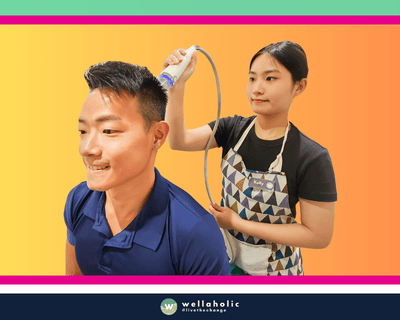
Introduction
You lean toward the bathroom mirror one weekday morning and notice your parting looks wider than it did a year ago. The overhead light makes your scalp shine through in photos and on video calls, and suddenly the worry that you have been pushing aside feels very real. Friends have mentioned hair loss clinics, social media keeps pushing miracle tonics, and you are torn between taking action and fearing what these treatments might do to your scalp and health.
In Singapore, hair loss is a common concern, and more people are turning to solutions like Minoxidil, low-level laser therapy (LLLT), oral medications, or even hair transplants. Yet many customers only hear about the benefits, not the hidden trade-offs and side effects that may show up weeks or months later.
In this guide, Wellaholic’s expert team explains the five side effects of hair loss treatments in Singapore that most people are not warned about, how they happen, and what you can do to reduce your risk while exploring safer scalp-focused options.

The 5 Side Effects of Hair Loss Treatments Nobody Talks About
Hair loss treatments in Singapore range from topical solutions and oral medications to LLLT, PRP, and hair transplant surgery. Across these options, five side effects appear again and again: scalp irritation, abnormal hair growth, changes in hair texture, scalp infections, and emotional or psychological strain.
Scalp irritation often shows up as itching, redness, dryness, or flaking, especially with stronger topical formulas. Some people also experience temporary shedding when follicles reset to a new growth cycle, which can feel alarming even if it is part of the process.
Abnormal hair growth is another under-discussed issue, where medications can stimulate hair in areas you did not intend, such as the face or body. Texture changes may leave hair feeling thinner, more brittle, or different in curl pattern, particularly when the scalp or shaft is stressed by strong actives or frequent procedures.
Scalp infections can arise if treatments disrupt the skin barrier or if tools are not properly cleaned, with risks like folliculitis or fungal problems in Singapore’s humid climate. On top of this, many customers quietly struggle with anxiety and low self-esteem when progress is slower than expected or when side effects overshadow early gains.
To summarise, the five key side effects to watch for are:
- Scalp irritation
- Abnormal or unwanted hair growth
- Hair texture changes
- Scalp infections
- Emotional and psychological impact
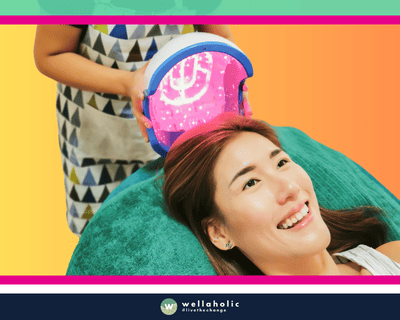
Why These Side Effects Happen: The Science Behind the Problems
Most hair loss treatments work by altering blood flow, growth signals, or inflammation around the hair follicle. Topical agents increase circulation and extend the growth phase, but they can also irritate the scalp’s protective barrier, which explains the itching and dryness many people report.
Hormone-related medications can shift androgen levels or their activity at the follicle, which helps slow thinning but sometimes triggers hair growth in other, more sensitive areas. The follicles respond to these hormonal changes in a broad way, so the body does not always limit the effect to the scalp alone.
Procedures such as microneedling, RF-based treatments, LLLT, and transplants create controlled stimulation or micro-injury to encourage regeneration. When applied correctly, this can support thicker-looking hair over time, but if hygiene or aftercare is poor, it increases the chance of infections or prolonged sensitivity.
Texture changes often reflect how the hair shaft and cuticle react to new growth conditions and any concurrent products or styling habits. Emotional strain is linked to the long timelines involved; hair grows slowly, and waiting months for visible changes while managing side effects can be mentally exhausting.
Understanding these mechanisms does not remove the risk, but it gives you leverage: you can ask what each treatment does to your scalp barrier, hormones, or follicles before you commit, and you can plan your haircare and aftercare to be as gentle as possible.
Choosing Safer Hair Loss Options in Singapore
In Singapore’s hot and humid climate, scalp issues like irritation, fungal overgrowth, and dermatitis can flare more easily when strong hair loss treatments are added on top of daily sweating and frequent washing. This makes it especially important to pair any treatment plan with good scalp hygiene and realistic expectations about timelines.
Many Singapore customers now prefer non-surgical, low-downtime hair regrowth options that fit around busy work and family schedules. At Wellaholic’s Somerset outlet, customers who work in the Orchard area often book discreet appointments a short walk from Somerset MRT, then return to work or errands without bandages or extended recovery.
Wellaholic’s expert team typically begins with a careful scalp assessment and a discussion of past treatments and sensitivities before recommending options such as LLLT, scalp microneedling, or combination protocols with topical boosters. Customers are guided on what sensations to expect, how to monitor for unusual reactions, and when to adjust frequency or intensity to keep the scalp comfortable over time.
For those worried about the emotional side, the team also emphasises honest, non-promissory language about outcomes: hair regrowth is a gradual process, and the goal is to balance potential benefits with tolerable side effects and minimal disruption to daily life in Singapore.

HairGrow 3X Plans & Pricing
For customers who want a structured, non-surgical approach to hair regrowth while keeping side effects manageable, a targeted scalp protocol can be a pragmatic next step. Within Wellaholic’s range, HairGrow 3X is designed as a dedicated hair regrowth programme that combines in-studio technology with a clear pricing framework so you know what you are committing to from the start.
From the Master Pricing Guide 2026, HairGrow 3X is offered as an unlimited monthly plan.
| Plan Type | Monthly Price (SGD) |
| 1‑Month Plan | 469 |
| 3‑Month Plan | 446 |
| 6‑Month Plan | 422 |
| 12‑Month Plan | 375 |
☀️ Afternoon Advantage: 20% off 6‑month and 12‑month plans, Mon–Fri 11am–5pm, excluding public holidays.
These options give Singapore customers flexibility to start with a shorter commitment or lock in a longer plan if they prefer a more structured routine, especially when combining office hours with after-work sessions. If you are at the stage where you want to move beyond over-the-counter solutions, booking a consultation for HairGrow 3X can help you understand which combination of scalp treatments fits your lifestyle and comfort level before you commit.

Customer Testimonial: Scalp Microneedling & LLLT Treatment
Linus visited Wellaholic to address hair loss and scalp concerns, exploring both Low-Level Laser Therapy (LLLT) and Scalp RF Microneedling as part of a structured restoration protocol. What stood out immediately was the absence of hard-sell pressure — the team took time to understand his specific scalp condition, explained both treatment options clearly, and helped him arrive at a protocol aligned with his goals. Across multiple sessions, he found the approach consistently calm, considered, and transparent. For Linus, the experience was defined as much by the trust built over time as by the treatments themselves — and he recommends Wellaholic without reservation for anyone serious about long-term scalp and hair restoration.
Read Actual Review by Customer
“From my first visit, I was impressed by the patience, attentiveness, and complete lack of hard-sell pressure. The team took time to understand my scalp condition, explained both LLLT and RF microneedling in a clear, measured way, and helped me decide on a protocol that aligned with my goals. Throughout each session, the approach remained composed and considerate — no overselling, no overpromising. If you’re serious about hair or scalp restoration and want someone ethical, knowledgeable, and calm, Wellaholic is the place to go.” (Source: Google Review)

Conclusion
Managing hair loss is not just about chasing regrowth; it is about balancing benefits with side effects so that your scalp, hair, and confidence all move in the right direction. When you understand the five hidden side effects—scalp irritation, abnormal hair growth, texture changes, infections, and emotional strain—you are better equipped to ask the right questions and choose treatments that fit your risk tolerance.
Whether you prefer the convenience of Somerset in the Orchard area, the CBD access of Tanjong Pagar for lunch-hour visits, the extended hours at heartland Kovan, or the easy access of Upper Changi inside the MRT station, Wellaholic’s expert team can guide you through options that respect both your scalp health and your schedule. The focus is on realistic, stepwise progress rather than promises, so you can pursue hair regrowth with clarity instead of anxiety.
Key Takeaways
- Scalp irritation is one of the earliest and most common side effects of topical and device-based hair loss treatments, especially in humid Singapore conditions.
- Some medications may trigger abnormal hair growth in non-scalp areas, so customers should monitor for facial or body hair changes once treatment begins.
- Hair texture can temporarily feel thinner, drier, or more brittle during certain protocols, making gentle haircare and reduced heat styling important.
- Scalp infections such as folliculitis or fungal issues are more likely when the skin barrier is compromised and tools or aftercare hygiene are not carefully managed.
- Emotional wellbeing is closely tied to hair loss journeys, and realistic timelines, honest communication, and ongoing support can ease the psychological load of long-term treatment.
Frequently Asked Questions (FAQ)
Q1: How can I reduce scalp irritation from hair loss treatments?
Scalp irritation often comes from strong topical ingredients or overfrequent use on a sensitive barrier. In Singapore, where heat and humidity already stress the scalp, customers may benefit from starting with lower frequencies, using gentle cleansers, and adding soothing, non-comedogenic moisturisers that do not interfere with the active treatment.
🔵 Introduce new topical treatments gradually instead of daily from day one.
🔵 Use a mild, sulphate-free shampoo to avoid stripping the scalp.
🔵 Space out applications if redness or itching appears.
🔵 Avoid scratching; pat or cool the area instead to relieve discomfort.
🔵 Inform your provider quickly if irritation worsens or persists.
🔵 Ask whether a gentler or alternative protocol is suitable for your skin.
Q2: Is abnormal hair growth from hair loss medication permanent?
Unwanted hair growth on the face or body related to systemic or topical medications is usually linked to how those actives influence hair follicles beyond the scalp. In many cases, adjusting the dose, application pattern, or switching treatments can reduce this effect over time, but it may take several months for hair cycles to normalise.
🔵 Monitor new hair growth patterns in the first few months of treatment.
🔵 Discuss dose adjustments with your prescribing professional if changes appear.
🔵 Avoid spreading topical products beyond the intended scalp area.
🔵 Consider complementary hair reduction options if growth becomes distressing.
🔵 Give hair cycles time to reset after any medication change.
🔵 Seek personalised guidance before stopping any prescribed treatment abruptly.
Q3: What can I do if my hair texture worsens during treatment?
Texture changes—such as increased dryness or brittleness—can reflect how your hair shaft responds to both internal changes and external styling habits during treatment. Gentle handling and moisture-focused care can help your hair cope while the scalp protocols continue.
🔵 Reduce heat styling and harsh chemical processes while on treatment.
🔵 Use conditioners and masks that focus on hydration rather than heavy oils.
🔵 Pat hair dry instead of rough towel-drying to minimise breakage.
🔵 Detangle with a wide-tooth comb, starting from the ends upward.
🔵 Check that styling products do not irritate your scalp or clog follicles.
🔵 Review your routine with a professional if texture changes persist or worsen.
Q4: How can I lower my risk of scalp infections with hair loss procedures?
Scalp infections typically occur when the skin barrier is breached without adequate hygiene or when aftercare is not followed. Procedures such as microneedling and transplants need careful cleaning, avoidance of contaminated tools, and respect for downtime instructions.
🔵 Ensure all in-clinic tools and devices follow strict sterilisation protocols.
🔵 Keep hands and nails clean before touching your scalp after a procedure.
🔵 Avoid swimming pools, saunas, and heavy sweating immediately post-treatment.
🔵 Follow any cleanser or topical instructions provided for aftercare.
🔵 Watch for signs like pus, spreading redness, or increasing pain.
🔵 Seek prompt professional review if you suspect infection rather than self-treating.
Q5: How do I cope emotionally if results are slow or side effects appear?
The emotional impact of hair loss and its treatments is significant, especially when progress feels slow or when side effects undermine confidence. Customers in Singapore often find it helpful to combine realistic expectations with structured check-ins, so they can see gradual changes rather than relying on memory.
🔵 Take baseline and follow-up photos under similar lighting to track progress.
🔵 Set realistic timeframes of months, not weeks, for visible changes.
🔵 Share your worries openly with your treatment provider or support network.
🔵 Adjust protocols if side effects are affecting your daily life or mood.
🔵 Explore stress-management habits like exercise, sleep routines, or mindfulness.
🔵 Consider professional counselling support if hair loss heavily affects self-esteem.
Q6: How often should I have in-clinic hair regrowth sessions in Singapore?
Session frequency depends on the specific modality, your scalp condition, and how you respond over time. Many non-surgical protocols begin with more frequent visits, then taper to maintenance once the scalp has adapted and early changes have stabilised. [cite: 1]
🔵 Expect an initial phase where visits may be weekly or bi-weekly for some protocols.
🔵 Maintenance phases often shift to monthly or less frequent sessions.
🔵 Frequencies are adjusted based on scalp sensitivity and observable response.
🔵 Busy professionals may benefit from outlets with convenient MRT access.
🔵 Combine in-clinic sessions with at-home care recommended by your provider.
🔵 Reassess your schedule and goals with the team every few months.

About Wellaholic’s Expert Team
Wellaholic’s treatments are designed and overseen by our founding team, whose qualifications include a CIDESCO Diploma in Aesthetics and a Level 3 Certification in Beauty Therapy & Salon Management from Brentwood College UK. With hands-on experience across IPL, SHR hair removal, and a wide range of aesthetic treatments, our founders bring both academic grounding and practical expertise to every service protocol at Wellaholic.
Our Aesthetic Director holds a CIDESCO certificate in skin care and a Bachelor of Health Science (Aesthetics) from Torrens University of Australia, with over a decade of industry experience spanning Singapore and Australia. Her background includes a senior role at a leading laser aesthetics group, giving her deep insight into safe and effective treatment delivery across diverse skin types.
Together, Wellaholic’s expert team has served over 18,000 customers across four outlets in Singapore — Somerset, Tanjong Pagar, Kovan, and Upper Changi — and has been recognised at the Beauty Insider and Daily Vanity Awards.
Contact us at support.
GET IN TOUCH
Book Now Pay Later
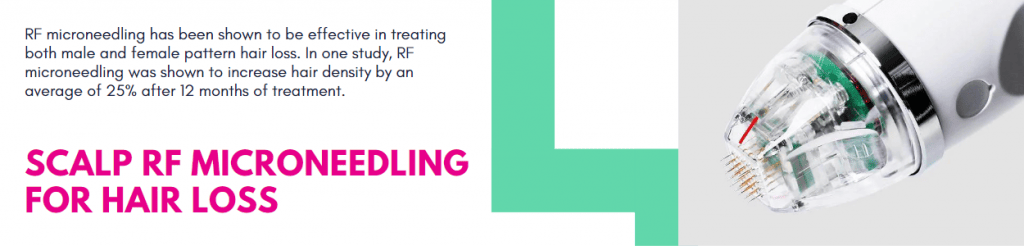

Revolutionise Your Hair Regrowth Journey with Scalp RF Microneedling
- ⭐ RF Microneedling and AGA Treatment. RF microneedling + minoxidil can help treat AGA (male pattern baldness).
- ⭐ Efficacy in Pattern Hair Loss. RF microneedling is effective for hair loss in both men and women.
- ⭐ Study Results on Hair Density Increase. A study found that RF microneedling can improve hair density by 25% after one year.
- ⭐ Adjustable Depth of Microneedling. Microneedling depth can be customized from 0.5 mm to 2.5 mm.
- ⭐ Flexible RF Microneedling Frequency. RF Microneedling sessions can be spaced from weekly to monthly, depending on your needs.
- ⭐ Award-Winning. Wellaholic’s treatments have been recognized by top beauty publications such as Daily Vanity, Beauty Insider, and Tropika Club Magazine.
- ⭐ Over 2000 Verified Customer Reviews. Wellaholic has over 30 industry awards and over 2000 positive reviews from customers, and >50% are repeat customers.


